
Peak Performance Starts with Proper Nutrition
Your body is a precision instrument. During sports season, the fuel you choose determines how you perform, recover, and compete. Discover evidence-based nutrition strategies designed specifically for South African athletes.
- Seasonal meal planning tailored to your sport
- Hydration protocols that boost endurance
- Recovery nutrition for faster adaptation
Key Nutritional Strategies for Athletes
From pre-game fuel to post-training recovery, these science-backed nutrition principles are essential for competitive athletes during the season.
Carbohydrate Timing
Carbs are your body's primary fuel during intense training and competition. Strategic timing—consuming quality carbohydrates 2-3 hours before activity and within 30 minutes after—replenishes glycogen stores and accelerates recovery. During sports season, aim for 5-12 grams per kilogram of body weight daily, depending on training intensity.
Learn moreSmart Hydration
Dehydration kills performance faster than fatigue. In South Africa's hot climate, proper hydration protocols are non-negotiable. Begin sessions fully hydrated (pale urine), drink 400-800ml per hour during training, and rehydrate with electrolytes post-activity. Individual sweat rates vary—testing yours is essential.
Learn moreProtein for Recovery
Muscle damage from training triggers the need for protein synthesis. Consume 1.2-2.0 grams per kilogram of body weight daily, distributed across meals and snacks. Post-training protein (20-40g within 2 hours) combined with carbs optimizes muscle repair and adaptation, essential for competitive performance.
Learn moreMicronutrient Awareness
Iron, zinc, calcium, and B vitamins support oxygen transport, immune function, and energy metabolism. High-volume training increases requirements. Whole foods—lean meats, legumes, leafy greens, dairy—provide these nutrients more effectively than supplements. Seasonal food availability in South Africa makes planning critical.
Learn moreSeasonal Meal Prep Inspiration
Practical meal examples for South African athletes during competition season, featuring local ingredients and balanced macronutrients.
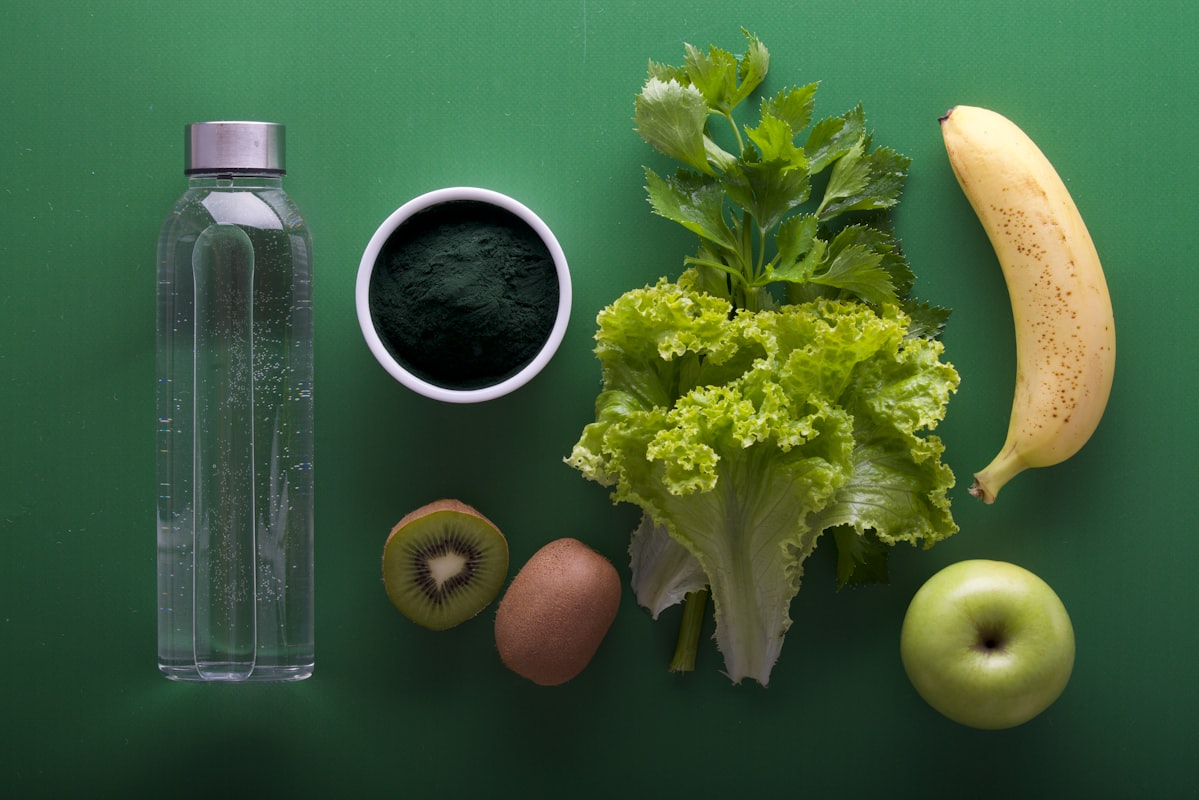
Pre-Competition Breakfast
2-3 hours before activity
- Porridge (oats) with honey and banana
- Poached eggs on whole grain toast
- Orange juice or white grape juice
- Ratios: 3g carbs : 1g protein : low fat
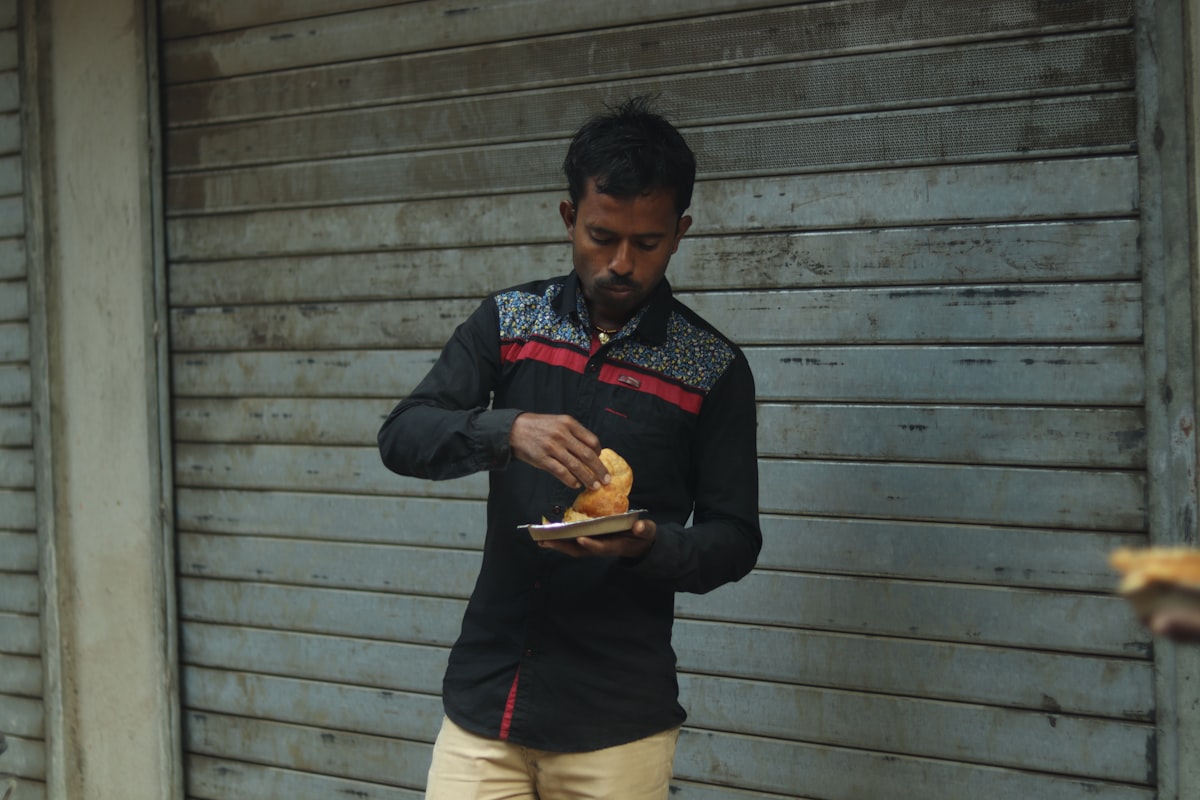
During-Activity Fuel
30-60 minutes into training
- Energy gels or dates (15-30g carbs)
- Sports drink with electrolytes
- Ripe banana for longer sessions
- Goal: 30-60g carbs/hour, small sips
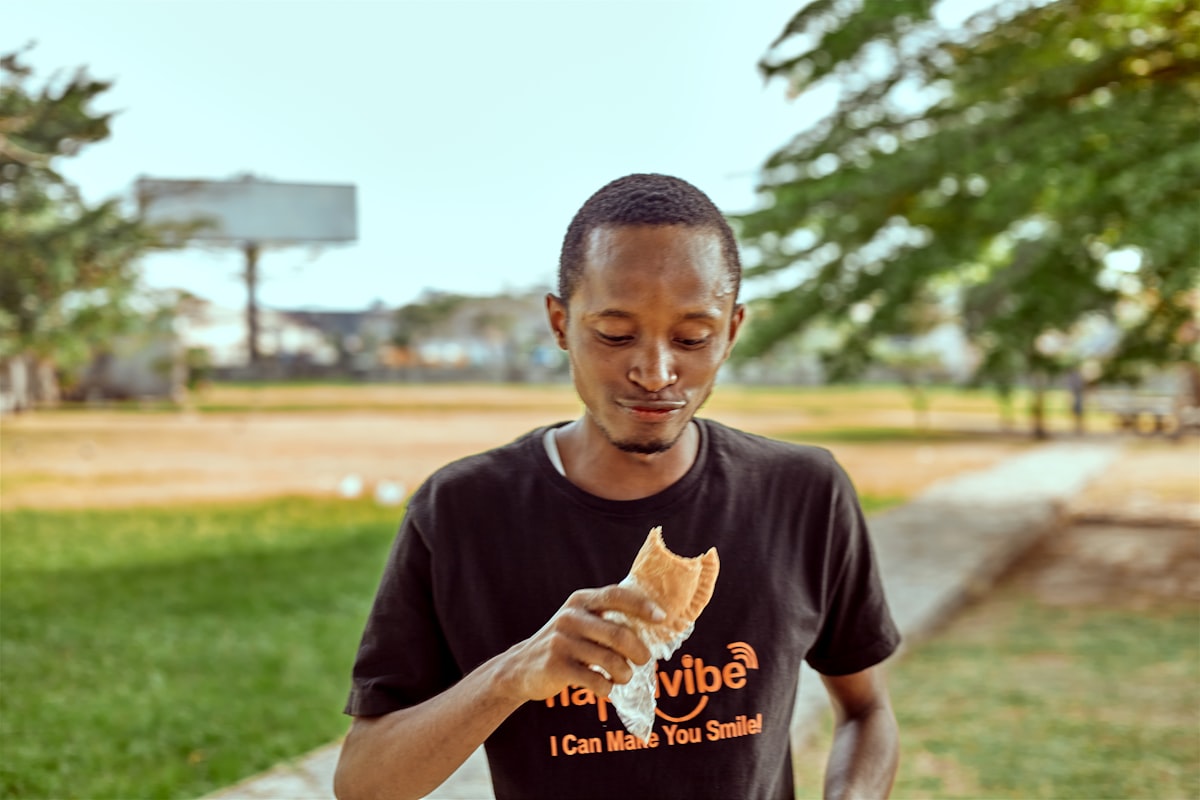
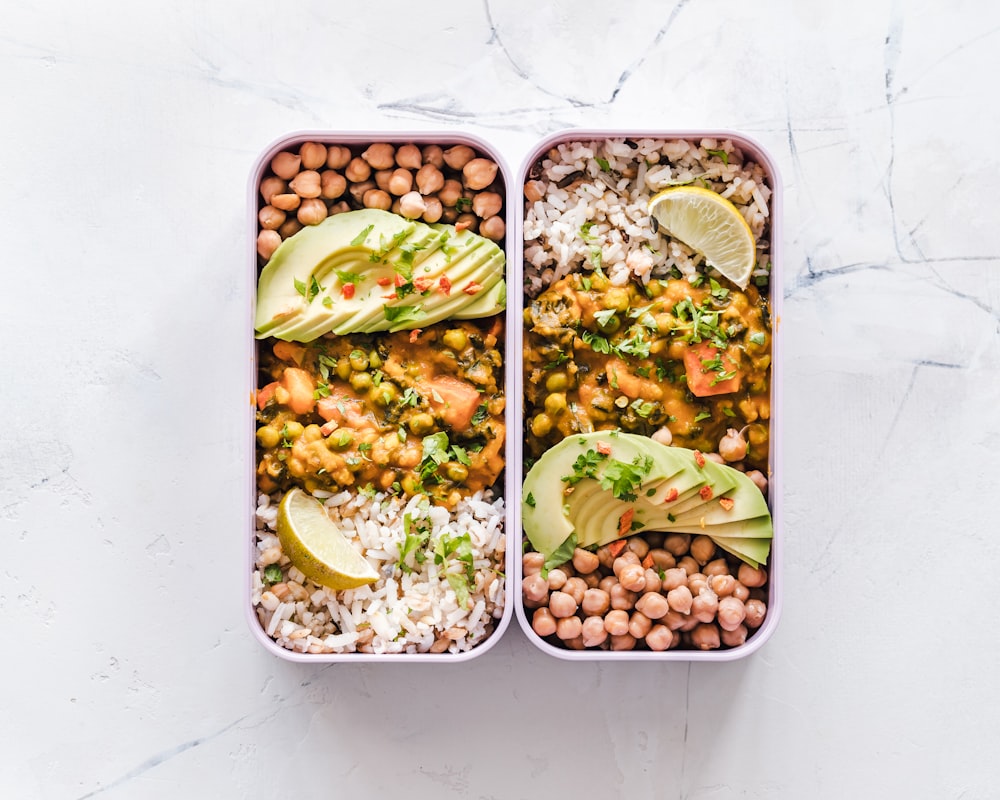
Post-Training Recovery
Within 30 minutes after activity
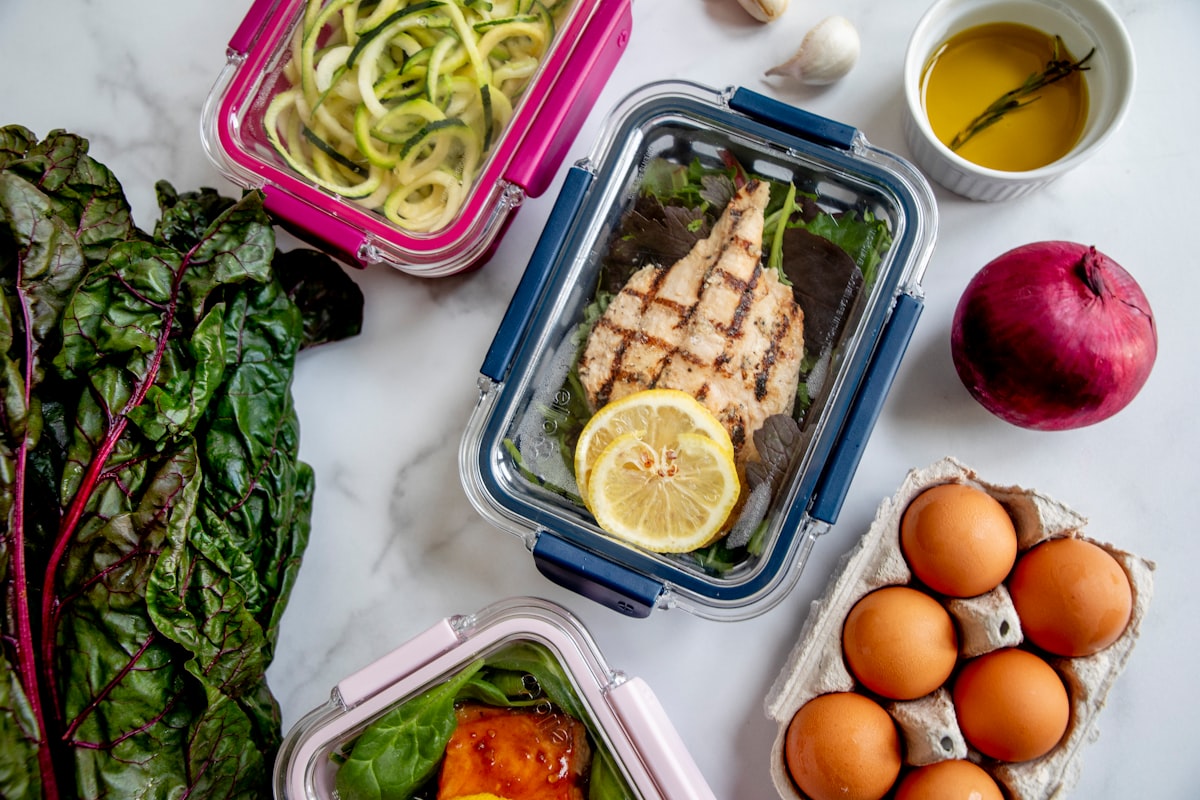
- Grilled chicken breast (30g protein)
- Sweet potato or brown rice (40g carbs)
- Steamed broccoli with olive oil
- Chocolate milk alternative (quick option)
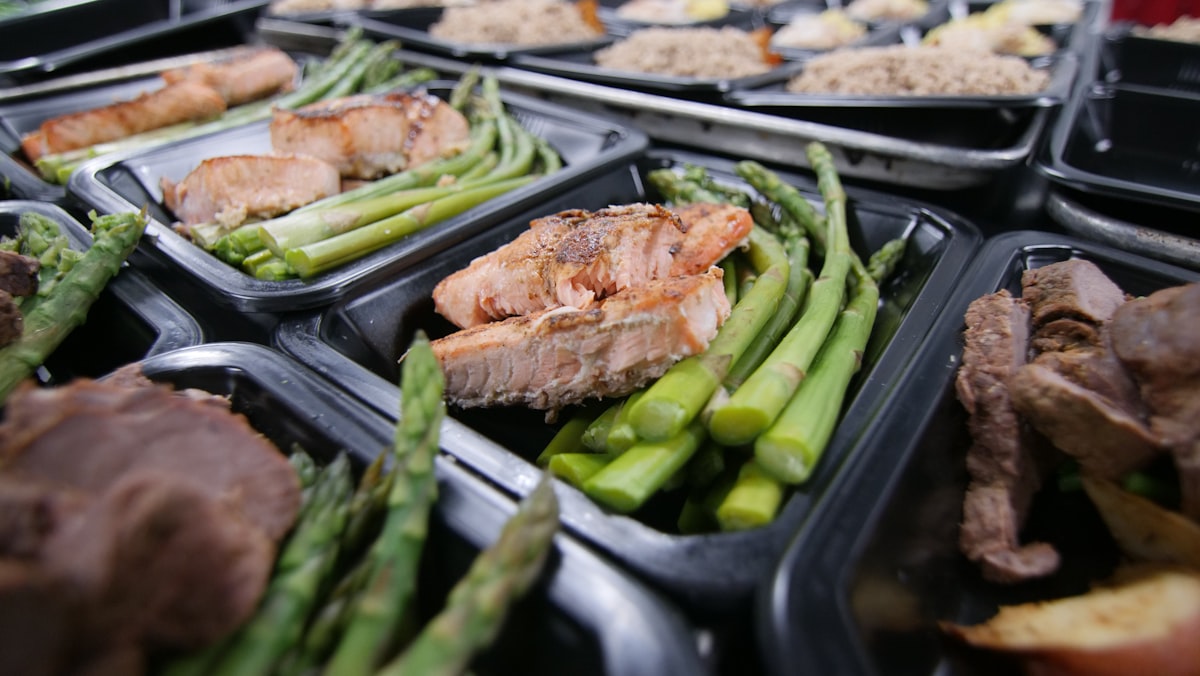
Evening Main Meal
Typical daily dinner
- Lean beef or fish (150g, 30g protein)
- Whole grain rice or pasta (50g carbs)
- Mixed vegetables (2-3 portions)
- Healthy fat: olive oil or avocado
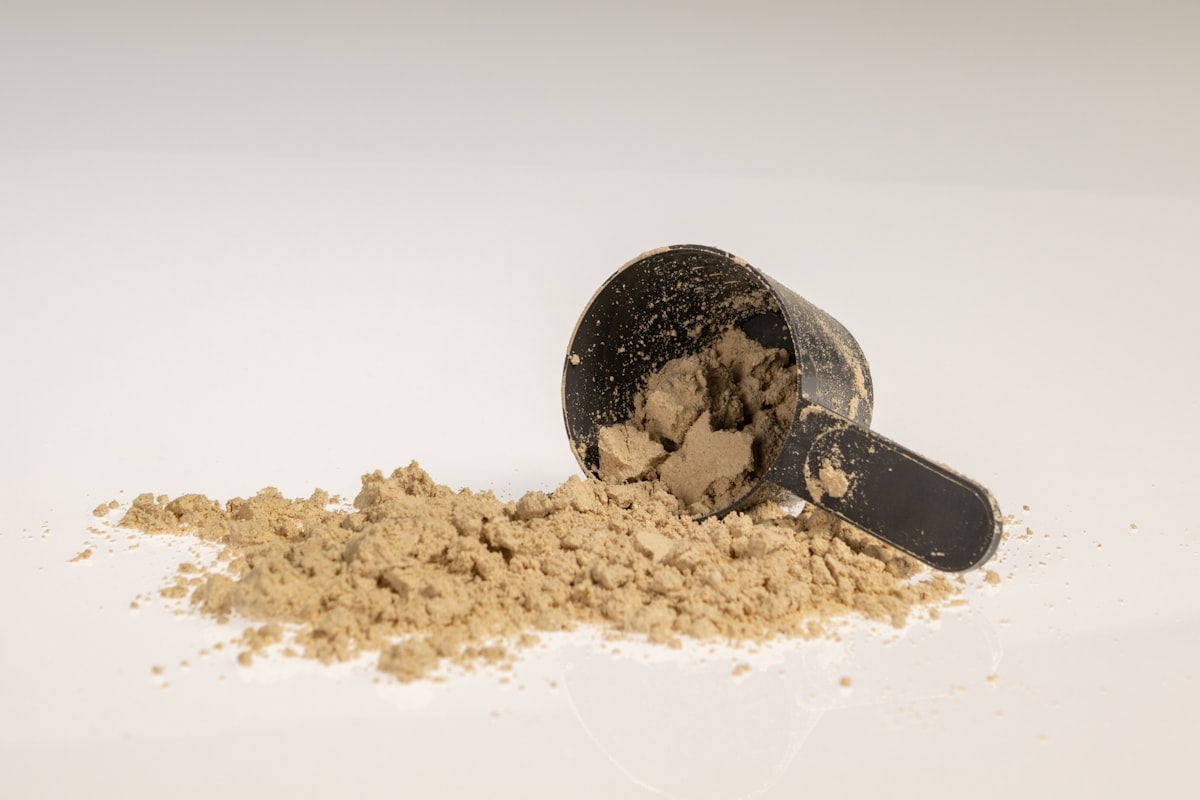
Between-Meal Snack
Mid-afternoon or evening
- Greek yogurt with berries (20g protein)
- Peanut butter on wholemeal bread
- Fruit + nuts (apple + almonds)
- Protein shake with banana
Hydration Strategy
Throughout the day
- Water: 2-3 liters minimum daily
- Before training: 400-600ml 2-3 hours prior
- During activity: 400-800ml per hour
- Post-training: 150% of fluid loss
Ready to Optimize Your Sports Nutrition?
Access our complete guide to nutrition planning, seasonal strategies, and athlete meal timing. Our editorial team has compiled evidence-based information specifically for South African competitors.
Why Trust Power Nutrition Guide
Our editorial team brings together sports science expertise, practical athlete experience, and local knowledge to deliver actionable nutrition guidance.
Science-Based Content
Every article references peer-reviewed research. We don't chase trends—we follow evidence on macronutrient timing, hydration protocols, and micronutrient requirements for athletes.
Local Relevance
We understand South Africa's unique climate challenges, seasonal food availability, and competitive calendar. Our guidance accounts for hot weather training, local ingredient sourcing, and regional sporting schedules.
Practical Application
Theory means nothing without implementation. We provide meal timing templates, shopping lists, budget-friendly options, and quick-prep strategies that fit real training schedules.
Honest Perspective
We clearly distinguish between "proven effective" and "promising research," between what all athletes need versus individual customization. No exaggerated claims—just straightforward nutrition education.
Your Nutrition Optimization Journey
Four steps to implementing sport-specific nutrition strategies that enhance performance, speed recovery, and build consistency.
Assess Current Habits
Track what you eat, when you eat, and how you feel. Log training intensity, competition times, and recovery quality. This baseline reveals gaps between what you're doing and what your sport demands.
Focus: Awareness, not judgment
Learn Your Sport's Needs
Different sports demand different fueling. Endurance needs sustained carbohydrates. Power sports need strategic carb-loading. Read our articles on your specific sport to understand macro requirements and timing windows.
Focus: Sport-specific principles
Plan & Test
Build a meal plan using our templates and local foods. Test it during training first—not competition. Experiment with hydration rates, pre-event meals, and recovery snacks to find what works for your body.
Focus: Practical experimentation
Refine & Compete
Standardize what works. Enter competition with a proven nutrition protocol. Track performance outcomes to validate your approach. Adjust seasonally based on competition schedule and intensity changes.
Focus: Consistency and improvement
Athletes Share Their Nutrition Transformations
Real South African competitors describe how science-based nutrition strategies improved their performance and recovery during competitive seasons.
"I've been using Power Nutrition Guide's seasonal carb-timing strategy for three months now, and my endurance during long-distance events has noticeably improved. The local meal examples are exactly what I need—no guesswork, just proven timing and real South African food. My recovery times have shortened dramatically, and I'm competing with more consistent energy. *Individual results may vary."
Thando Nkosi
Marathon Runner, Johannesburg
"As a rugby player, I was struggling with maintaining strength while managing hydration in our hot South African summer. Their detailed hydration protocols and protein timing strategies have been game-changing. I feel stronger in the second half, and my teammates have noticed the difference too. This isn't just good information—it's transformed how I fuel my body."
Sizwe Dlamini
Rugby Player, Cape Town
"I'm a competitive cyclist, and the seasonal meal prep guides have cut my prep time in half. The budget-friendly options mean I can eat like a professional athlete without the professional salary. The recovery meal timing strategies have reduced my muscle soreness significantly. I trust this source completely—every claim is backed up with explanations, not just marketing."
Lerato Molefe
Competitive Cyclist, Durban
"Our entire athletic team has benefited from these articles. The clarity about what's backed by science versus what's marketing hype is refreshing. We've implemented the hydration strategies and pre-competition meal timing, and our athletes report better focus and energy throughout competitions. This is the resource we recommend to everyone now."
Naledi Mthembu
Sports Coordinator, Pretoria
Common Questions About Sports Nutrition
Find answers to frequently asked questions from athletes during competitive seasons.
Individual sweat rates vary significantly based on body size, fitness level, humidity, and temperature. A general guideline is 400-800ml per hour, but the best approach is testing. Weigh yourself before and after a 1-hour training session. For every kilogram lost, you need about 1.5 liters of fluid over the next 4-6 hours to rehydrate fully. In South Africa's hot climate, starting sessions already well-hydrated (pale urine) is essential. During intense summer training, you may need up to 1 liter per hour, with electrolytes to aid absorption and sodium retention.
Yes, but timing and composition matter. Eat a full meal 3-4 hours before, containing familiar carbohydrates, moderate protein, and low fat to minimize digestive stress. Examples: oatmeal with banana and honey, toast with jam, rice with grilled chicken. 1-2 hours before, switch to easily digestible carbs—banana, white bread, energy bars. Avoid high-fiber, high-fat, or new foods that might cause stomach issues. Test your pre-competition meal extensively during training first. Never try something new on competition day—nerves and unfamiliar food are a bad combination.
Carb-loading is only beneficial for endurance activities lasting longer than 90 minutes—marathons, ultra-distance cycling, long-distance triathlon. For soccer, rugby, tennis, or shorter runs, normal carbohydrate intake is sufficient. If you do carb-load 3 days before a major endurance event, increase carbs to 10-12g per kilogram of body weight daily while reducing training volume. This supercompensates glycogen stores. The classic approach is 3 days of reduced training + high carbs (70% of calories). On competition day, eat your normal pre-event meal to avoid digestive surprises.
Whole foods provide superior nutrition and are more cost-effective than supplements. Prioritize solid nutrition: adequate carbs for fuel, sufficient protein for recovery, strategic hydration, and micronutrient-rich foods (lean meats, legumes, vegetables). Only after optimizing whole-food intake should you consider supplements—and only those with strong evidence: electrolyte drinks for sessions over 60 minutes, creatine monohydrate for power athletes (5-10 years of research backing), and possibly beta-alanine or caffeine depending on your sport. Avoid multi-ingredient blends with unproven claims. Always review the disclaimer page for complete information on nutritional product safety.
Before (1-3 hours prior): Eat carbs + moderate protein. Example: oatmeal with banana and almond butter, or a sandwich with fruit. Avoid high fat/fiber to prevent stomach issues.
During (sessions over 60 min): Fast-digesting carbs + electrolytes. Sports drinks, gels, or energy chews work well. Stay hydrated with water or electrolyte solutions.
After (within 30-60 min): Carbs + protein to repair muscle and replenish glycogen. Examples: protein shake with fruit, Greek yogurt with granola, chicken with rice. This is when your body absorbs nutrients most efficiently.
Timing matters more than perfection—a real-food meal 2 hours post-workout still counts as effective recovery nutrition.
Success Stories from Our Community
Real athletes, real results—powered by better nutrition.
Sarah M.
Marathon Runner
"Following the pre-workout and recovery nutrition guide cut my recovery time by 40%. I felt stronger on long runs and finally broke through my training plateau."
James T.
Strength Coach
"I recommend Powernutritionguide to every athlete I work with. The supplement section saved me from wasting money on junk—evidence-based guidance is gold."
Alex P.
CrossFit Athlete
"Clear, no-BS nutrition info. No fluff, no selling overpriced products. This is what the fitness world needs more of. Gaining strength and clarity at the same time!"
Ready to Transform Your Athletic Performance?
Start implementing evidence-based nutrition today. Download our free nutrition checklist and join thousands of athletes optimizing their diet for results.
No spam. Nutrition science delivered straight to your inbox.
Powernutritionguide
Evidence-based nutrition for peak athletic performance.
Resources
Information
© 2024 Powernutritionguide. All rights reserved. | Helping athletes fuel smarter, not just harder.